
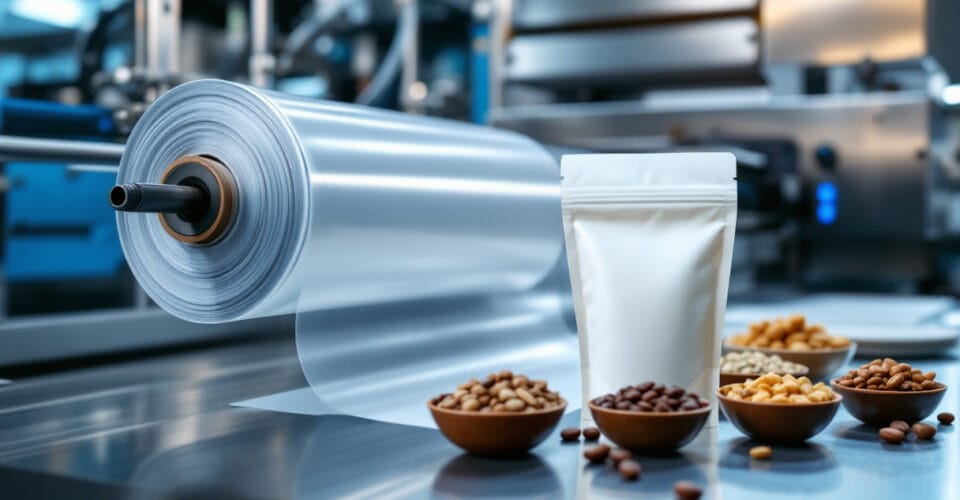
A great food product can still fail if the reel jams, seals poorly, or lets moisture reach the pack. Laminated reels for food packaging are roll-fed flexible materials used on automated or semi-automated machines to form packs such as sachets, pillow bags, stick packs, pouches, and wrappers. For Kenyan food startups, private label retailers, and established processors, choosing the right reel is now a production decision, not just a print decision. Digital Packaging Innovations supports brands that need practical packaging options for food, beverage, cosmetics, personal care, and health products, especially when low-MOQ custom work matters as much as quality.
Why laminated reels matter more than plain printed film in 2026
Food packaging is designed to protect food and support the wider food process, including containment, handling, distribution, storage, sale, and use. That definition aligns with the way Wikipedia describes food packaging, but modern laminated reels take the idea further. They combine print, barrier, sealability, stiffness, and machine performance in one roll-fed format.
A reel is not only a printed surface. It is a controlled material system. If one layer is wrong, the brand may face weak seals, curled film, slow filling speeds, blocked jaws, poor shelf appearance, or product spoilage.
Key insight: Treat the reel as part of your production line. The best artwork cannot rescue a laminate that does not seal, unwind, or protect the product.
The reel format supports fast form-fill-seal production
Laminated reels are commonly used on vertical form-fill-seal, horizontal flow wrap, sachet, stick pack, and lidding systems. The machine pulls film from the roll, forms it around a product or dosing system, fills it, seals it, cuts it, and releases the finished pack.
The idea connects to roll-to-roll processing, also called web or reel-to-reel processing, where work is performed on a flexible material supplied on a roll. Wikipedia's roll-to-roll processing overview explains the wider concept in manufacturing, and the same logic matters in packaging: consistent web tension, repeat length, and winding quality affect output.
Common food applications include:
- VFFS roll stock for snacks, grains, spices, sugar, flour, coffee, cereals, and frozen foods
- Sachet film rolls for powders, sauces, condiments, drink mixes, honey, and single-serve oils
- Pet food film reels for kibble, treats, wet pet food, and portion packs
- Liquid-ready laminates for juices, dairy-style drinks, sauces, and reactive ingredients
- Lidding and label reels for trays, cups, bottles, jars, and promotional packs
Lamination adds barrier, strength, and seal control
A single film layer may print well but fail at product protection. Lamination bonds layers together so each one can do a job. One layer may carry reverse print, another may block moisture or oxygen, and another may seal against heat.
For food brands, the usual goals are simple:
- Keep the product safe and stable.
- Run smoothly on the packing machine.
- Present the brand clearly at retail.
- Control cost without creating rejects.
- Meet buyer, retailer, and regulatory expectations.
That mix is why laminated reels are common across many flexible packaging solutions, especially where product freshness, shelf appeal, and production speed need to work together.
How to match reel structures to food products
The right laminate depends on what the product attacks, absorbs, releases, or needs protection from. Dry snacks usually need moisture control and good sealability. Coffee may need aroma retention. Oils and sauces need chemical resistance. Frozen products need toughness at low temperatures.
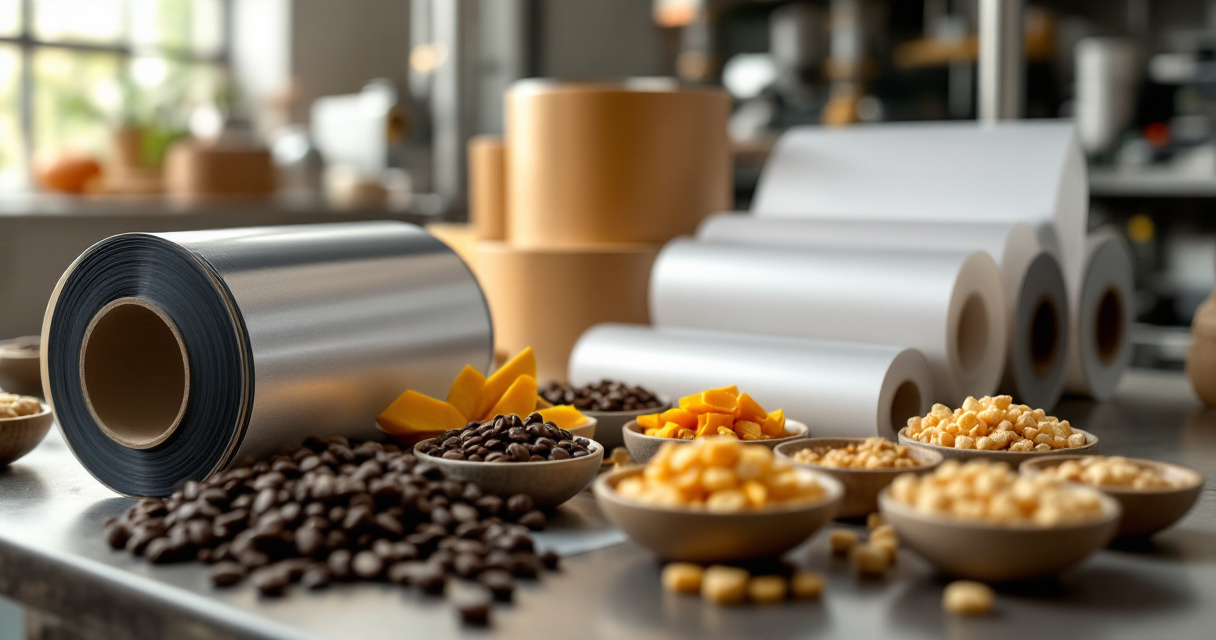
Competitor pages often list laminated rolls as a product category, but they rarely explain the selection logic. The better question is not, "Which film is cheapest?" It is, "Which structure protects my product, runs on my machine, and still fits my margin?"
Common laminated reel options by pack type
| Pack format | Typical use | What the laminate must do |
|---|---|---|
| VFFS pillow bag | Crisps, snacks, grains, frozen vegetables | Seal fast, resist puncture, control moisture |
| Sachet reel | Spices, sugar, condiments, powders | Dose cleanly, tear easily, seal narrow edges |
| Stick pack reel | Drink mixes, supplements, instant coffee | Track accurately, seal long seams, protect powders |
| Pet food reel | Kibble, treats, wet portions | Resist grease, aroma loss, and handling damage |
| Liquid pouch reel | Juices, sauces, oils | Resist leakage, product reaction, and seal contamination |
| Lidding reel | Cups, trays, tubs | Peel or weld correctly, match container material |
A dry tea sachet and a juice pouch should not use the same thinking. Tea needs aroma and moisture protection. Juice needs liquid resistance, seal reliability, and possible puncture strength during transport. Pet food may need odour control and grease resistance, while frozen food needs film that does not crack or lose seal strength in cold chains.
Start with product behaviour before artwork
Artwork is often the first thing a team discusses, but the product should lead the specification. Ask what the food contains, how it is filled, how long it must last, where it will be stored, and how consumers will open it.
For a Nairobi snack brand moving from hand-packed bags to automated VFFS, the biggest risk may be film tracking and seal heat range. For a juice startup, leakage and taste neutrality may matter more. A spice exporter may need high barrier properties and clean sachet cuts.
Brands comparing labels and reel options should share product samples, filling conditions, and pack size targets before final artwork approval. That gives the packaging partner a better chance to recommend a laminate that works in the real line, not only on a screen.
A practical specification checklist before you order roll stock
A laminated reel order should include enough detail for production, printing, slitting, and machine setup. Missing information can cause delays or material that looks right but runs badly.
"Design is not just what it looks like and feels like. Design is how it works.", Steve Jobs, The New York Times
That quote fits packaging better than many brand teams expect. A reel must work under tension, heat, pressure, speed, and product dust or liquid. Good packaging design includes engineering.
The details your packaging supplier needs
Use this checklist before requesting a quote:
- Product type: dry, oily, acidic, powder, frozen, chilled, hot-fill, or ambient.
- Target pack format: pillow bag, sachet, stick pack, lidding, pouch, wrapper, or label.
- Machine type: VFFS, HFFS, sachet machine, flow wrapper, or manual assist.
- Reel width and repeat length: match the forming collar, print layout, and cut position.
- Core size and roll diameter: confirm what your machine can hold.
- Unwind direction: define print orientation before plates or digital files are approved.
- Seal type: fin seal, lap seal, three-side seal, four-side seal, or peelable lid.
- Barrier needs: moisture, oxygen, aroma, light, grease, or liquid resistance.
- Finish: gloss, matte, paper feel, transparent window, or metallic look.
- Compliance requirements: food contact, retailer rules, export needs, and batch traceability.
Digital Packaging Innovations can help teams turn these inputs into workable specifications, especially where a brand is moving from labels or pouches into roll-fed production.
Proofing prevents expensive reel mistakes
Before you approve a full order, check both print and performance. A digital proof confirms layout, colour direction, barcode placement, and text accuracy. A production sample or trial roll checks the real behaviour of the laminate.
Practical trial checks include:
- Does the reel track straight without edge wandering?
- Does the eye mark read consistently on your machine?
- Are seals strong at your operating speed?
- Does powder or liquid contaminate the seal area?
- Does the finished pack tear, peel, or open as intended?
- Does the roll block, curl, telescope, or wrinkle in storage?
Small brands sometimes skip trials to save time. That can cost more later through downtime, rejected packs, and reprinted reels. If you are also exploring premade packs, compare roll stock with custom pouch packaging before deciding which route fits your volumes.
Food safety and sustainability questions buyers now ask
Packaging buyers in 2026 are under more pressure from retailers, export customers, and consumers. They want food-safe materials, clearer traceability, and fewer hard-to-recycle structures. The challenge is that food performance still comes first. A pack that recycles well but fails to protect food may create more waste, not less.

Research on packaging-related chemicals has made brand owners more alert. Linda G. T. Gaines' 2022 review on PFAS documents historical and current uses of per- and polyfluoroalkyl substances across applications, including materials where oil and water resistance may be relevant in the American Journal of Industrial Medicine. That does not mean every laminated reel contains PFAS. It means responsible buyers should ask clear material questions.
Food contact checks should be specific, not vague
Ask your supplier what layer contacts the food, what inks and adhesives are used, and whether the structure is suitable for your product type. Reverse printing is common because the ink sits between layers instead of on the food-contact surface. Still, adhesives, solvents, curing, and migration controls matter.
For sensitive products such as infant foods, supplements, dairy-style drinks, or acidic sauces, give your supplier the full product brief. Do not hide ingredients to protect a formula. You can use a confidentiality agreement, but the packaging team needs enough information to avoid the wrong material choice.
Key insight: Food-safe packaging is not a single certificate. It is a fit between material, product, process, storage, and market requirements.
Recyclability is moving toward simpler structures
Flexible laminates are harder to recycle when they combine very different materials. A 2023 paper by Sabrina Bianchi, Flavia Bartoli, and Cosimo Bruni discusses opportunities and limits in recycling fossil polymers from textiles, a useful reminder that polymer recovery depends on material complexity, sorting, and end markets in Macromol. The same practical challenge appears in flexible packaging.
"Waste and pollution are not accidents, but the consequences of decisions made at the design stage.", Ellen MacArthur Foundation, Circular Design
For food reels, expect more movement toward mono-material polyethylene or polypropylene structures where suitable. Still, high-barrier products may need more advanced layers. The smart target is not a slogan. It is the lowest-impact structure that protects the food, passes machine trials, and can be handled by available recovery systems.
How Kenyan SMEs and private label teams can scale with reels
For many Kenyan manufacturers, the shift into laminated reels happens when sales volumes start to strain manual packing. A startup selling spices through supermarkets may begin with jars and labels, then add sachets. A beverage brand may test premade pouches before committing to roll-fed liquid packs. A private label retailer may need consistent branding across several suppliers.
The best route depends on your volumes, cash flow, machine access, and pack range. Some brands buy reels for their own filling line. Others use contract packers. Others combine labels, pouches, and reels as the product range grows.
Low-MOQ planning reduces risk for growing brands
A large reel order can tie up cash if the flavour, SKU size, or artwork changes quickly. Start with the most stable SKU, then build the range. If your product is seasonal, test demand before locking in long print runs.
Useful scaling steps include:
- Launch with a simple pack that proves demand.
- Confirm retailer feedback on shelf appeal and pack durability.
- Standardise pack sizes where possible.
- Move fast-selling SKUs into reels first.
- Keep artwork flexible for barcode, batch, and regulatory edits.
- Plan reorder timing around production and import lead times.
Digital Packaging Innovations is a practical fit for SMEs that need packaging guidance across pouches, labels, and reel formats rather than a one-size order.
Private label programmes need consistency across formats
Private label buyers care about repeatability. A supermarket tea range, snack range, or spice range may use different pack sizes, but colours, logos, barcode positions, and finishing should feel consistent. Laminated reels help when the product is made in volume and needs clean automation.
If you manage several SKUs, map the full packaging system before ordering. You may need roll stock for sachets, premade pouches for premium lines, and labels for jars or bottles. The customised packaging solutions approach helps align those parts so consumers recognise the brand across the shelf.
For an infographic or campaign image, use Kenyan retail or production settings, with real-looking Kenyan people handling finished packs. Product images from the supplier website should guide pack shapes, finishes, and brand presentation.
What to expect from laminated food reels in 2027
The next phase of laminated reels will not be about prettier print only. It will be about smarter specifications, smaller commercial risk, and clearer sustainability decisions. Brands that prepare now will find it easier to switch structures, test SKUs, and meet retailer questions.
Expect packaging discussions to become more technical. Buyers will ask for material declarations, food-contact suitability, recyclability notes, and machine trial evidence. Suppliers will need to explain why one structure is chosen over another.
Digital print and shorter runs will keep gaining attention
Shorter runs are attractive because food brands change flavours, promotions, languages, batch details, and seasonal artwork. Digital and hybrid workflows can reduce the friction of testing, although not every job is best suited to short-run print.
For startups, that means more room to test without overcommitting. For established manufacturers, it means faster private label pilots and more seasonal product launches. Reels will still need careful machine trials, because print flexibility does not remove seal and winding requirements.
Reel specifications will become more transparent
Future-ready brands should keep a packaging specification file for every SKU. Include laminate structure, supplier, artwork version, barcode, core size, reel direction, approved proof, trial notes, and reorder history.
That discipline protects you when staff change, machines are upgraded, or a retailer asks for documentation. It also makes it easier to compare suppliers fairly. A cheaper quote is only cheaper if it matches the same structure, performance, service, and compliance expectations.
Key insight: In 2027, the winning food brands will not just buy reels. They will manage packaging data as part of product quality.
Conclusion
Laminated reels for food packaging help brands move faster, protect products better, and present a cleaner shelf image, but only when the structure fits the product and the machine. Start with the food, then define the pack format, barrier needs, sealing conditions, reel dimensions, artwork, compliance checks, and trial plan.
If you are developing snacks, sauces, spices, juices, pet food, supplements, or private label products, bring your product sample, target pack size, machine details, and artwork brief to the table early. The team at Digital Packaging Innovations can help you compare reel, pouch, and label options, then shape a practical route for low-MOQ testing or scaled production. Ready to specify your next reel? Contact the team through the DPI contact page and ask for a packaging review before you place your order.
Generated by EarlySEO.com