Low MOQ custom packaging in Kenya is no longer just a startup workaround, it's becoming the smarter way to launch products, test new SKUs, and control cash flow. For food, beverage, cosmetics, health, and private label brands, the challenge is simple: you need packaging that looks retail-ready before you can justify a large production run. Flexible Futures helps brands solve that gap with custom pouches, self-adhesive labels, and laminated reels designed for smaller, practical order volumes.
Why Low MOQ Packaging Matters for Kenyan Brands in 2026
Minimum order quantity, or MOQ, is the smallest order a supplier will accept for a production run. In custom flexible packaging, MOQs exist because suppliers must cover setup, material sourcing, printing, finishing, and quality checks. High MOQs can work for national brands, but they can block smaller businesses from launching quickly.
For Kenyan startups and SMEs, low MOQ packaging reduces three common risks: slow-moving inventory, locked-up working capital, and outdated designs. If you're testing a new juice blend, spice mix, body oil, supplement, or private label product, ordering less gives you room to learn from real buyers before scaling.
Key insight: Low MOQ is not about buying the cheapest packaging. It's about buying the right quantity while still protecting product quality and brand trust.
Use low MOQ when the product, market, or design is still being tested
Low MOQ custom packaging is especially useful when you need to:
- Launch a new product without committing to months of stock
- Test multiple flavors, sizes, or label designs
- Supply seasonal products or short campaigns
- Package samples for retail buyers, hotels, salons, pharmacies, or distributors
- Keep branding consistent while production volumes grow
The best suppliers will not treat small runs as an afterthought. They'll help you choose structures, finishes, and artwork that can scale when your demand increases.
What You Can Customize Without Ordering Huge Volumes
Custom packaging does not always mean changing every layer, finish, and size at once. The smartest low MOQ projects focus customization where it affects buying decisions: shelf appeal, product clarity, compliance information, and durability.
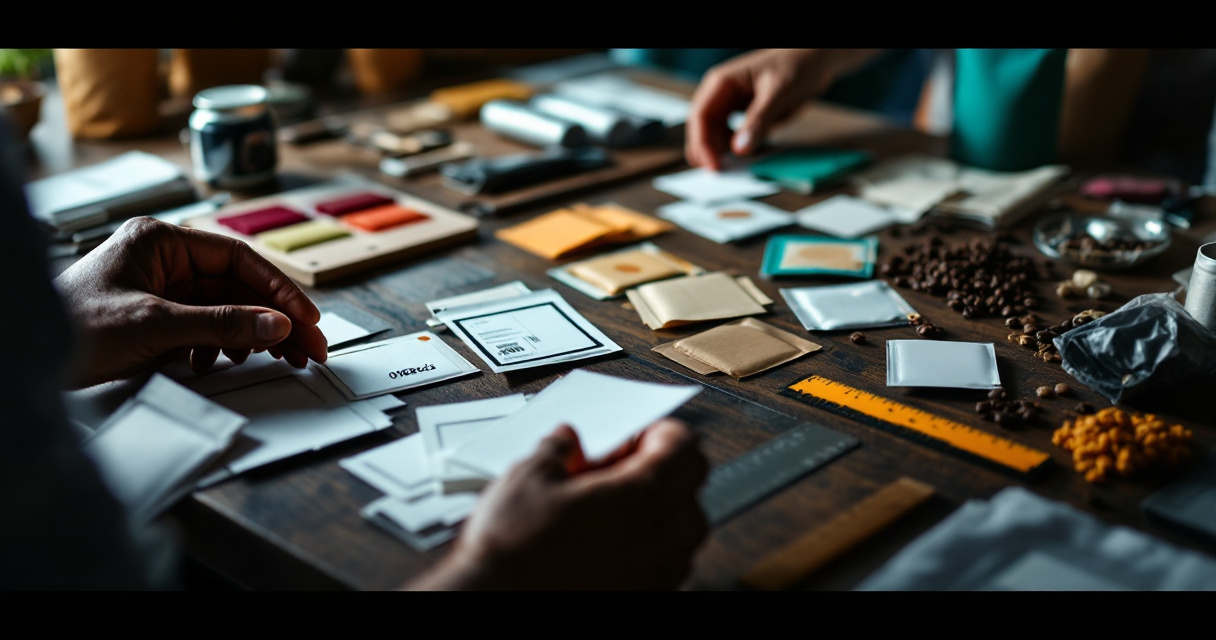
For example, a coffee brand may start with a standard stand-up pouch size and invest in strong label design. A skincare brand may use a small batch of printed labels before moving into fully printed pouches. A juice business may need laminated reels that fit filling equipment and maintain product presentation.
The Flexible Futures platform supports this staged approach by offering flexible packaging options that match the product category, not just the design brief.
Common low MOQ packaging formats compared
| Packaging format | Best for | Low MOQ advantage |
|---|---|---|
| Custom pouches | Snacks, powders, coffee, pet treats, cosmetics refills | Retail-ready look without rigid packaging costs |
| Self-adhesive labels | Jars, bottles, sachets, boxes, health products | Fast way to test branding across different containers |
| Laminated reels | Sachets, flow-wrap packs, drink and juice packaging | Works well when packing speed and consistency matter |
| Private label packaging | Retailers and contract manufacturers | Helps create branded ranges without large first orders |
A practical tip: don't customize every variable on your first run. Start with the pack size, material, and artwork elements that influence safety and sales. You can refine finishes, specialty effects, and pack variants once repeat orders prove demand.
How to Keep Low MOQ Packaging Affordable Without Looking Cheap
Low MOQ can cost more per unit than bulk buying because setup costs are spread across fewer packs. That does not mean your project has to be expensive. The goal is to reduce waste in the brief, not quality in the pack.
Suppliers often set MOQs based on material availability, print setup, machine time, and finishing needs. You'll usually get better value when your choices fit existing production capabilities. This is why clear briefs matter. Vague requests cause redesigns, delays, and extra sampling.
A cost-smart briefing process for first orders
Follow this sequence before requesting a quote:
- Define the product type, fill weight, and storage conditions.
- Confirm whether the pack needs barrier protection, resealability, or tamper evidence.
- Choose one or two sizes to test first, not five.
- Prepare final artwork, barcode space, ingredients, and legal text early.
- Ask which materials and formats support low MOQ production.
- Request a scale-up path so your next order is easier and cheaper to repeat.
For packaging that must protect aroma, moisture-sensitive powders, liquids, or oils, don't chase the lowest quote blindly. A failed pack can cost more than a slightly higher first order because it affects returns, retailer trust, and product safety.
Material Choices: Balancing Shelf Appeal, Protection, and Sustainability
Packaging buyers in 2026 are asking tougher questions about waste, recyclability, and brand responsibility. That pressure is real across food, cosmetics, household goods, and health products. Still, sustainable packaging only works if it also protects the product through filling, storage, transport, and retail handling.
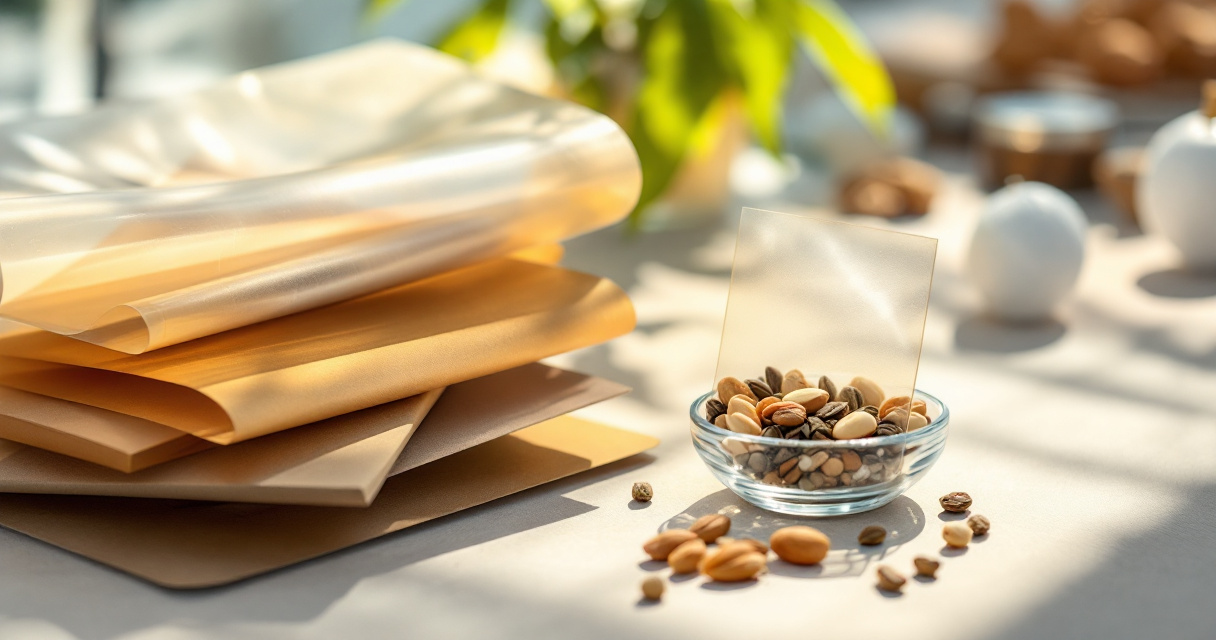
Research by Berg, Klepp, and Sigaard in Fibers examined reducing plastic in consumer goods and alternative material opportunities. For Kenyan brands, the practical lesson is to evaluate materials by function, not by trend. A compostable option may suit one dry product, while a recyclable laminate may suit another product that needs stronger barrier performance.
Packaging misconception: Eco-conscious does not automatically mean weaker, and plastic reduction does not automatically mean better. The right answer depends on product shelf life, filling method, transport route, and end-user disposal options.
Questions to ask before choosing an eco-conscious structure
Use these questions to avoid green claims that don't match real use:
- Does the product need moisture, oxygen, oil, or aroma barrier protection?
- Will the pack face heat, cold storage, long transport, or rough handling?
- Can the material run on your current filling or labeling equipment?
- Is the sustainability claim clear enough for shoppers to understand?
- Can the design be repeated when you move from low MOQ to larger runs?
Flexible Futures offers recyclable, biodegradable, and compostable packaging options where they fit the product brief. The best result is usually a balanced structure: strong enough to protect the product, attractive enough to sell, and realistic enough to source consistently.
What to Expect from Low MOQ Packaging in Kenya in 2027
The next phase of low MOQ packaging in Kenya will be shaped by faster design cycles, more private label growth, and higher demand for short-run personalization. Retailers want differentiated house brands. Small manufacturers want packaging that looks professional from the first batch. Export-minded brands need consistent presentation when selling beyond local markets.
Digital workflows will also matter more. Brands that keep artwork, dielines, product data, and reorder records organized will move faster than brands that restart the packaging process each time.
A practical 2027-ready packaging checklist
Prepare now by building packaging systems, not one-off designs:
- Keep master artwork files editable and properly named
- Standardize pack sizes across related SKUs where possible
- Create label templates for new flavors or variants
- Track which materials worked best for filling, storage, and delivery
- Plan a larger-order version of your best-performing low MOQ pack
Using Flexible Futures can help you move from test batches to repeat production without rebuilding your packaging from scratch. That matters when a retailer, distributor, or online campaign suddenly increases demand.
Conclusion
Low MOQ custom packaging in Kenya gives growing brands a practical way to launch with confidence, protect cash flow, and improve packaging based on real market feedback. Start with a focused brief, choose formats that fit your product, and make sustainability decisions based on function as well as brand values.
If you're preparing a new pouch, label, laminated reel, juice pack, cosmetic pack, or private label range, map your first order around what you need to learn from the market. Then talk to Flexible Futures about a low MOQ packaging option that can grow with your next batch.
Generated by EarlySEO.com